
Mathematics
Mathematics at Balksbury Federation
Mathematics at Balksbury Federation is an essential part of our curriculum. We see it as a powerful way for children to make sense of the world around them, building key life skills such as problem‑solving, logical thinking, resilience, and curiosity. Our curriculum is designed to help every child develop confidence and independence as learners by the time they leave us in Year 6. Alongside deepening their understanding of number and pattern, Mathematics encourages children to explore, investigate, and communicate their ideas clearly, helping them grow into flexible and creative thinkers.
Intent, Implementation and Impact
Mathematics at Balksbury Federation Infants
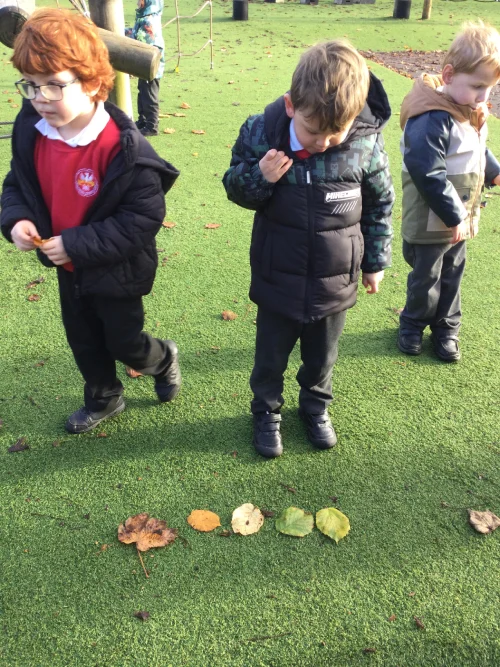
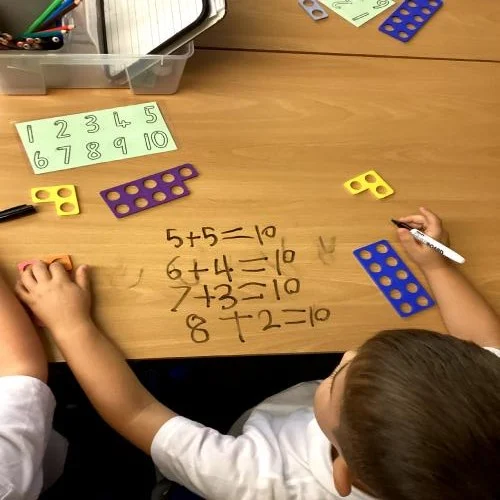
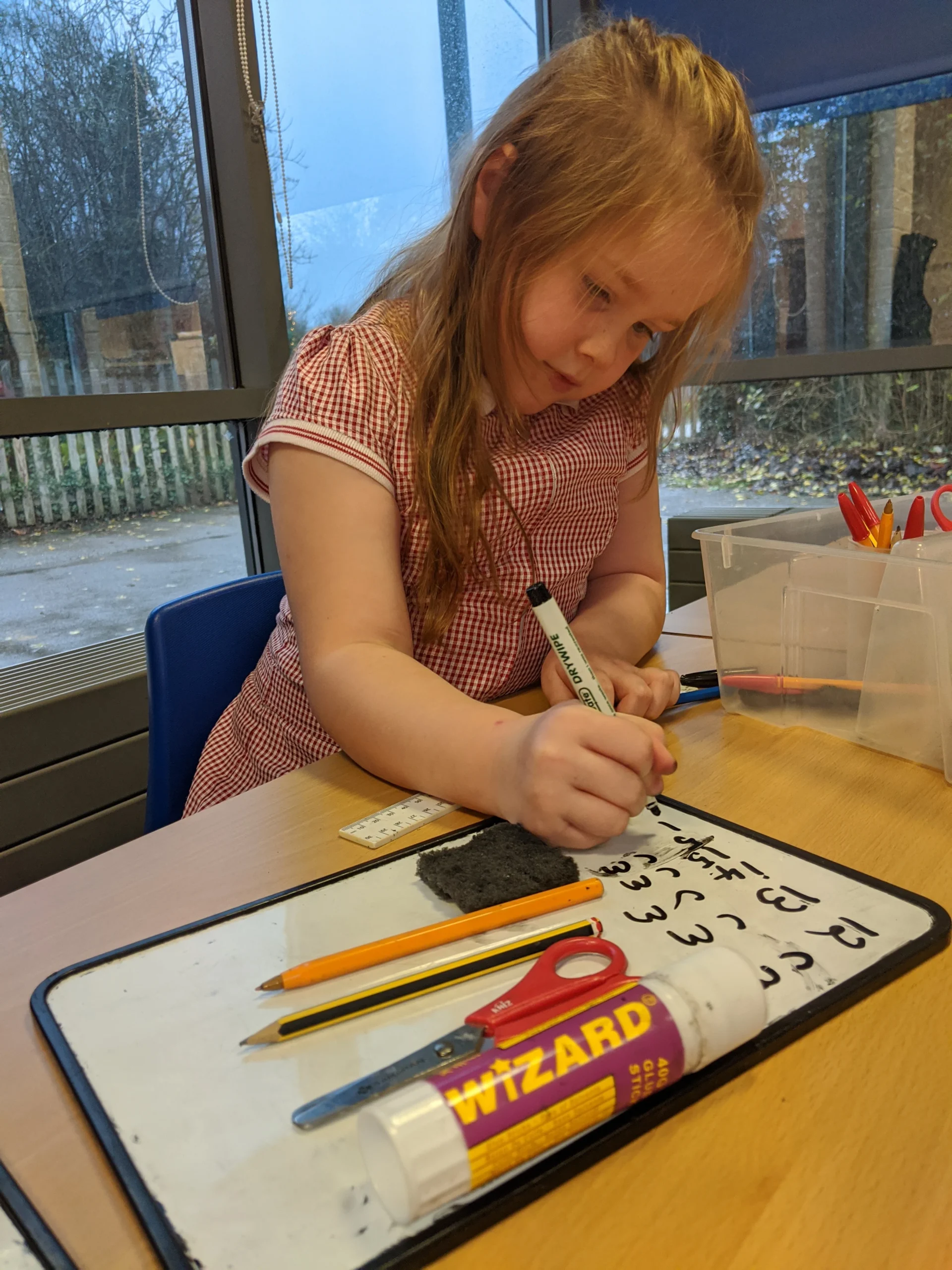
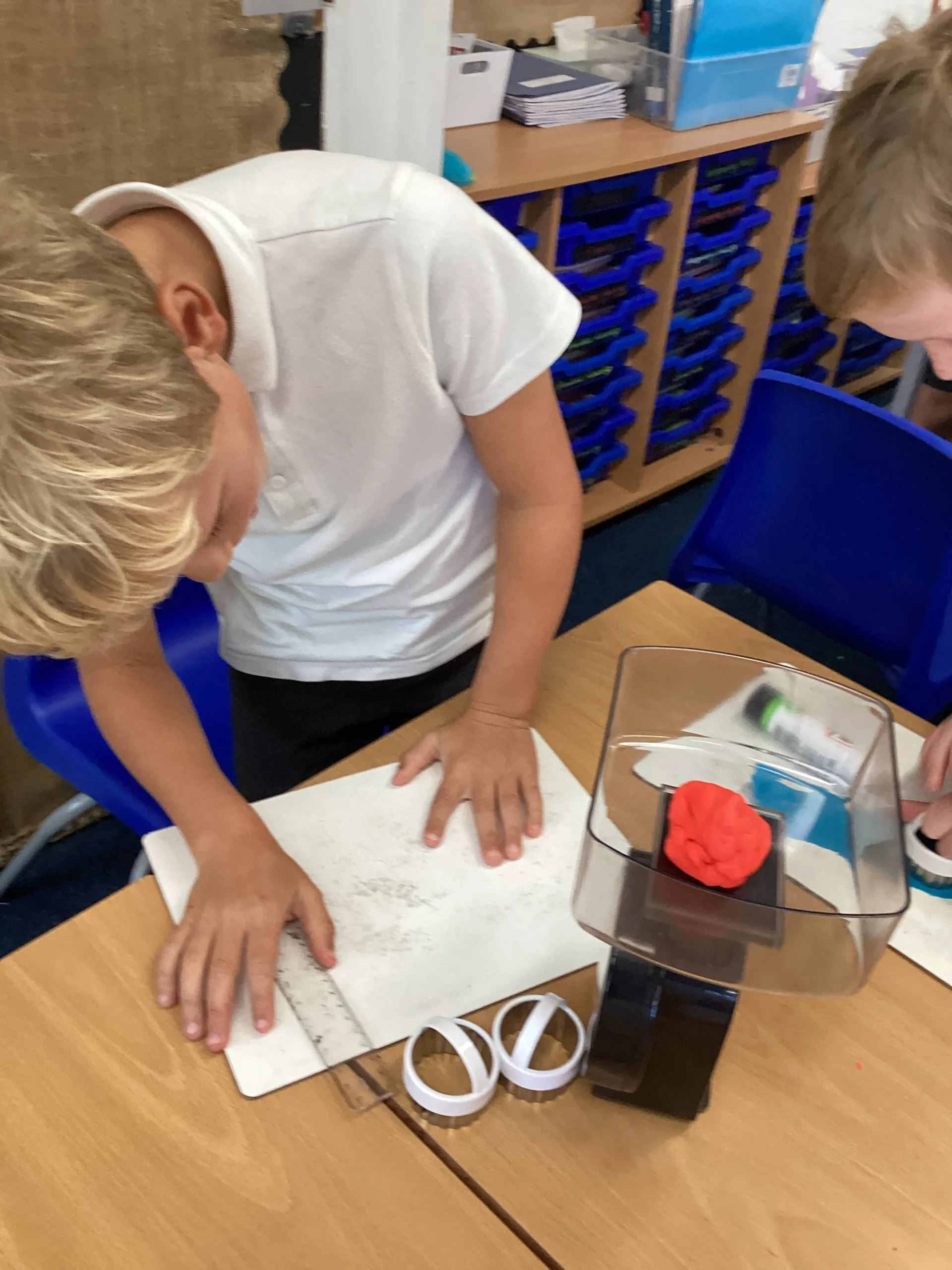
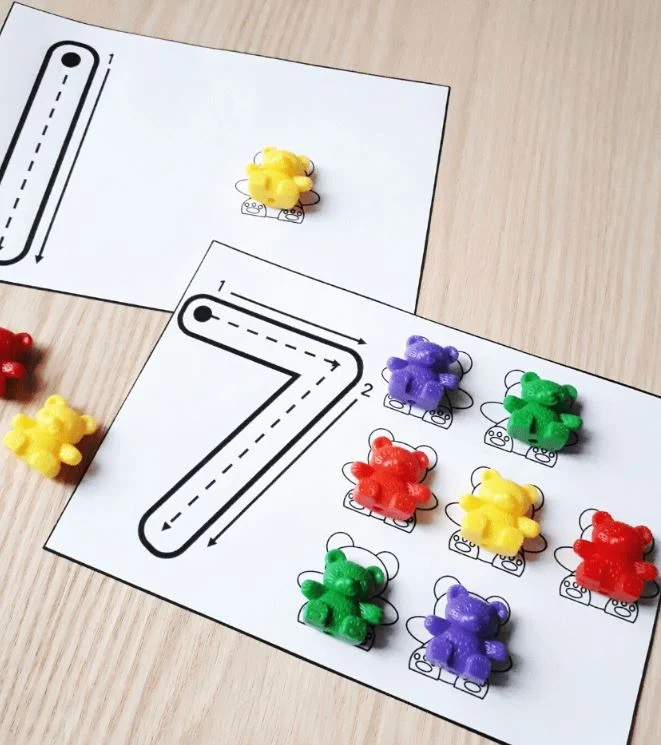
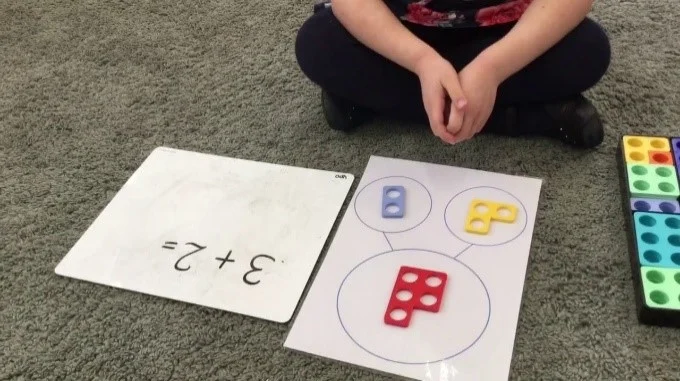
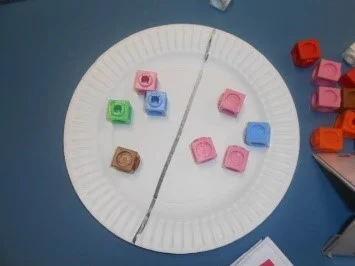
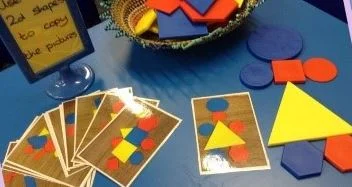
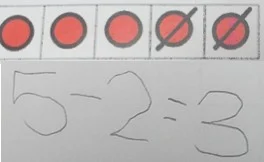
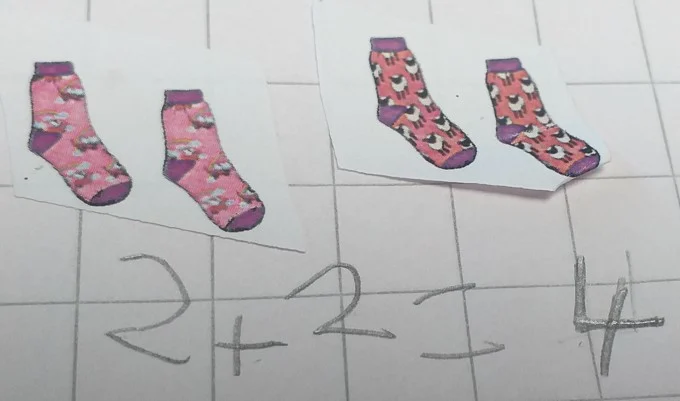
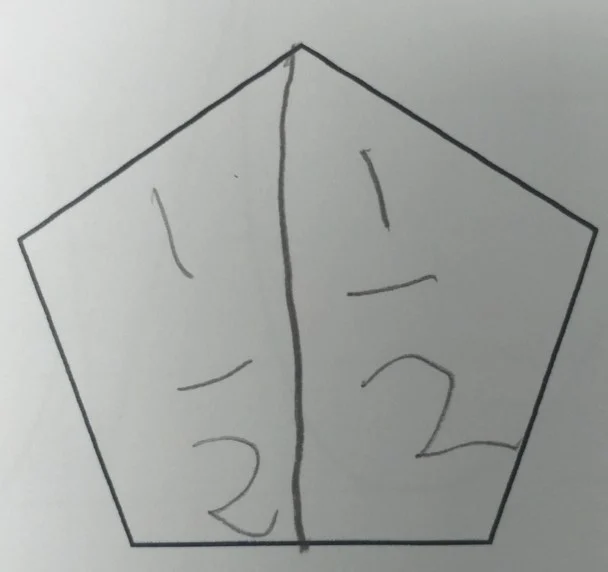
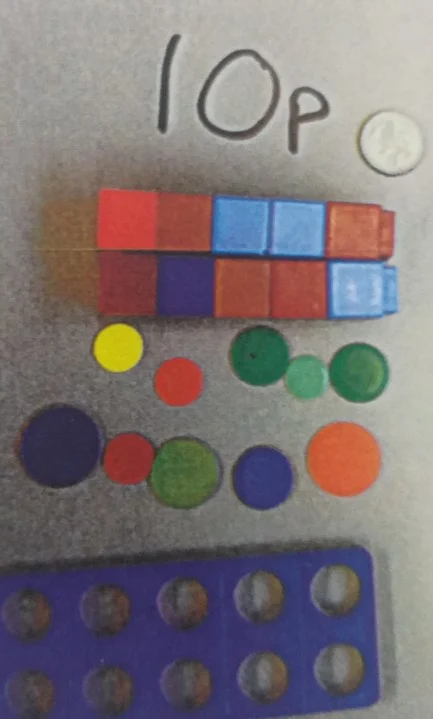
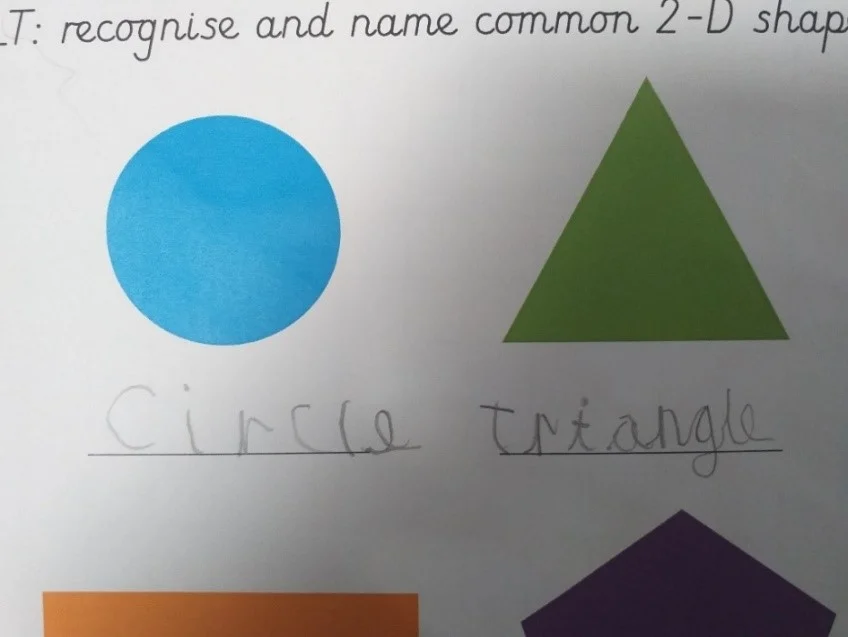
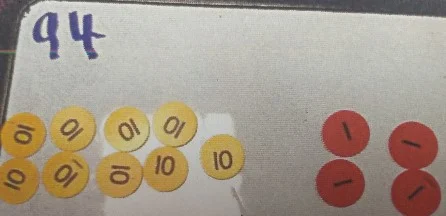
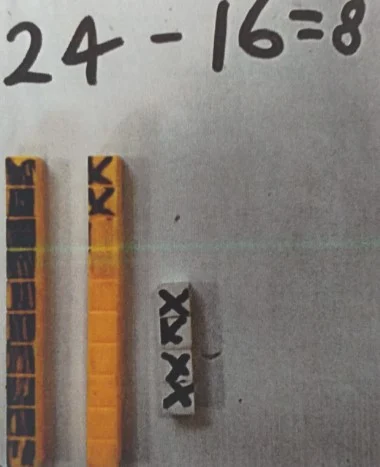
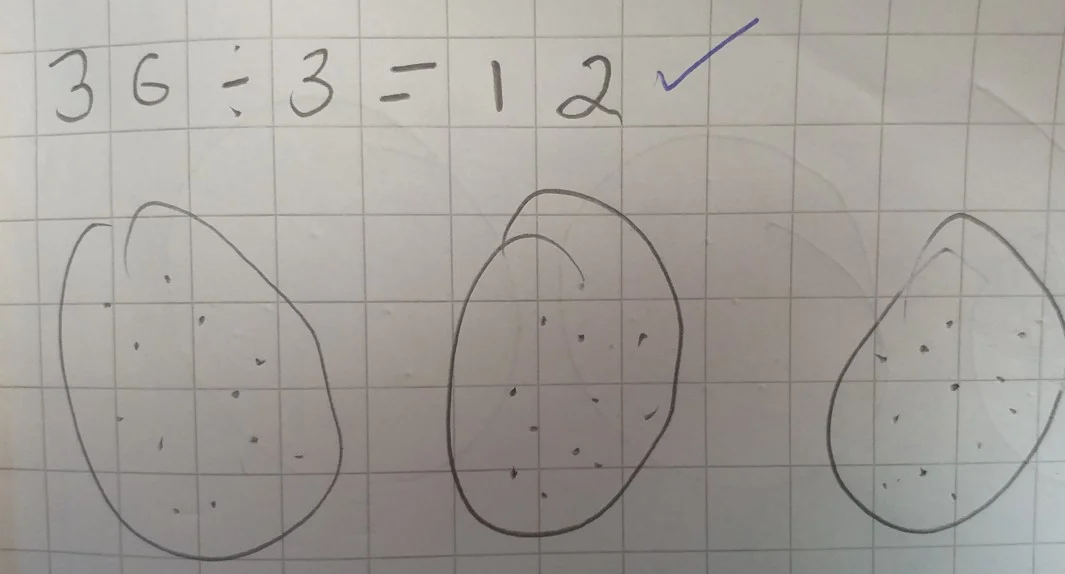
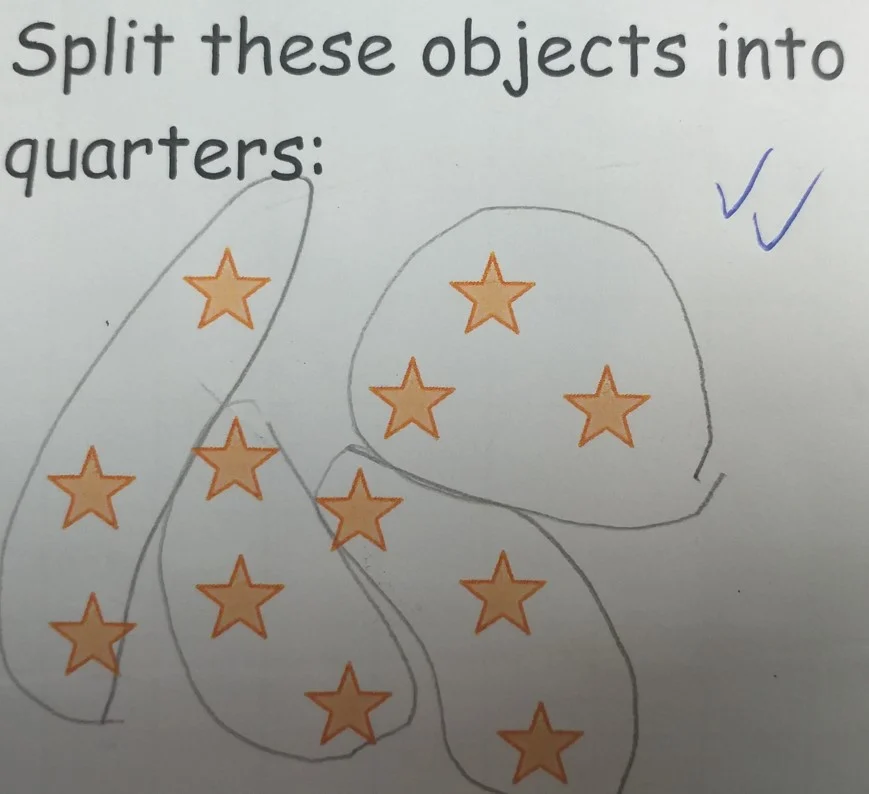
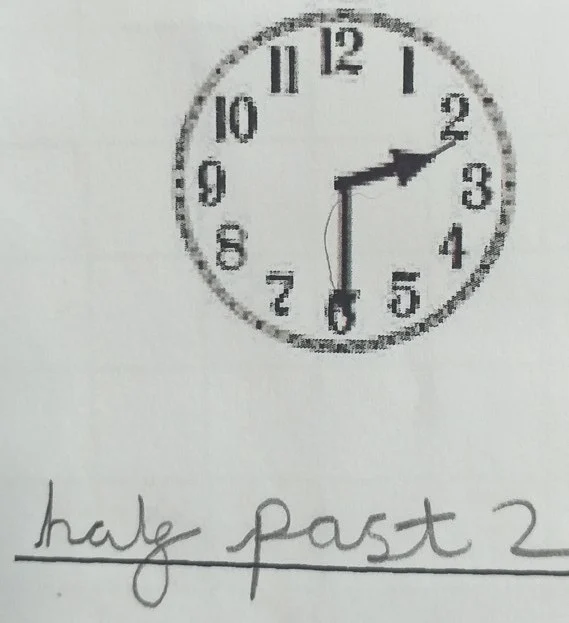
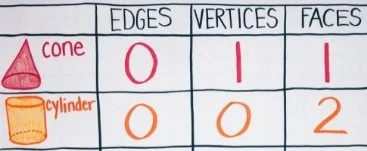
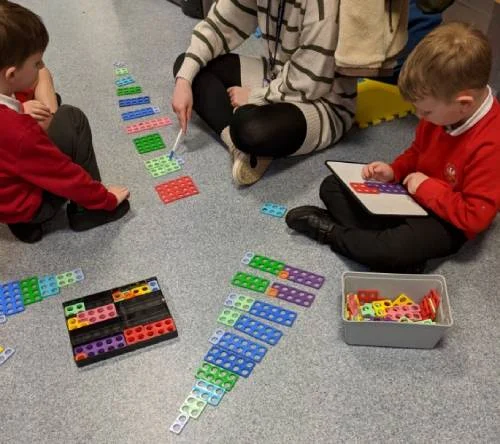
Across KS1, children develop their mathematical understanding step by step. They begin by exploring numbers, counting, and simple patterns, learning how to use concrete manipulatives confidently to represent their thinking. As they progress, children build fluency with addition, subtraction, shapes, and measures, developing increasing accuracy and confidence when comparing quantities, recognising number relationships, and solving simple problems.


Mathematics at Balksbury Federation Juniors
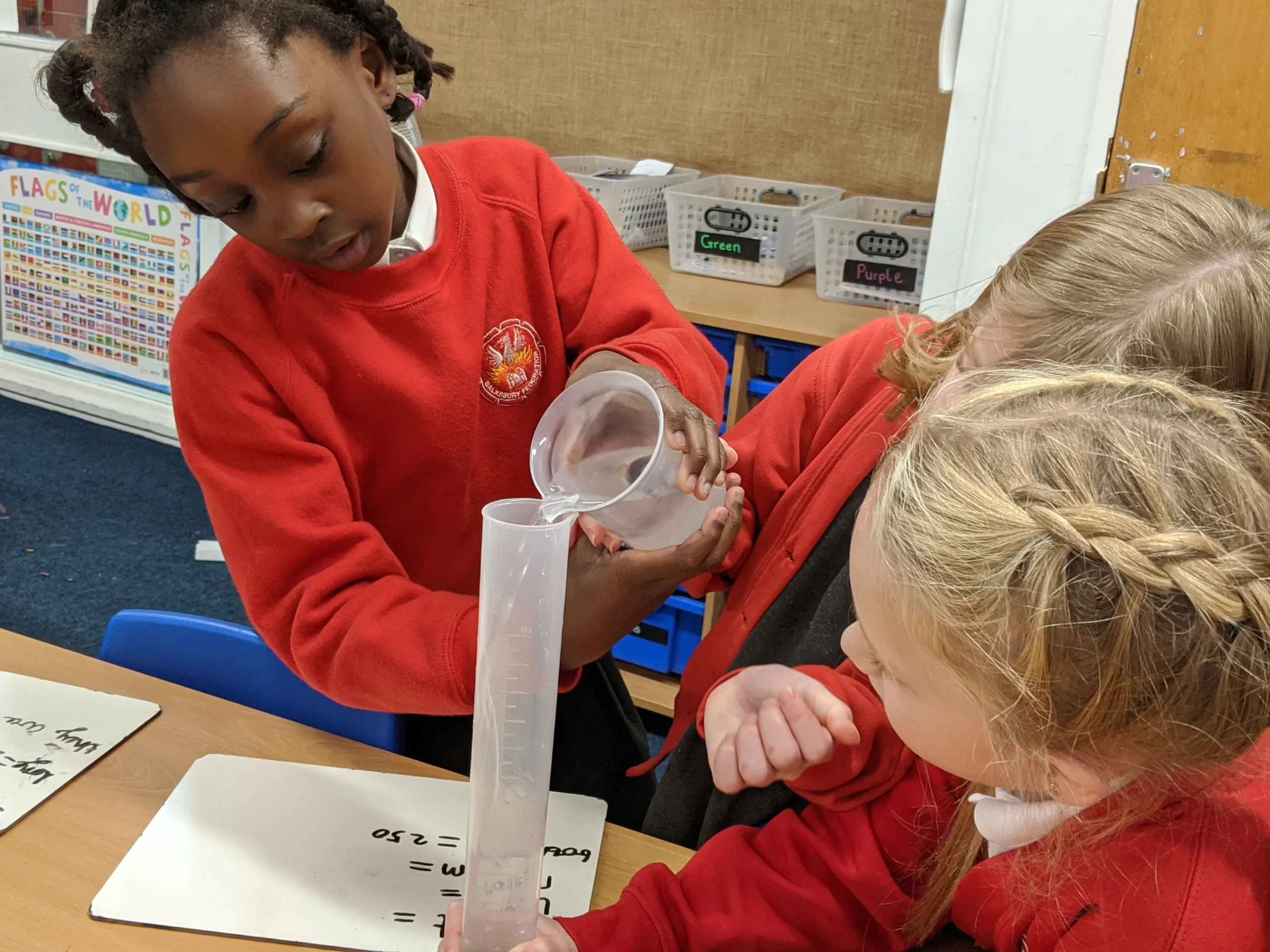
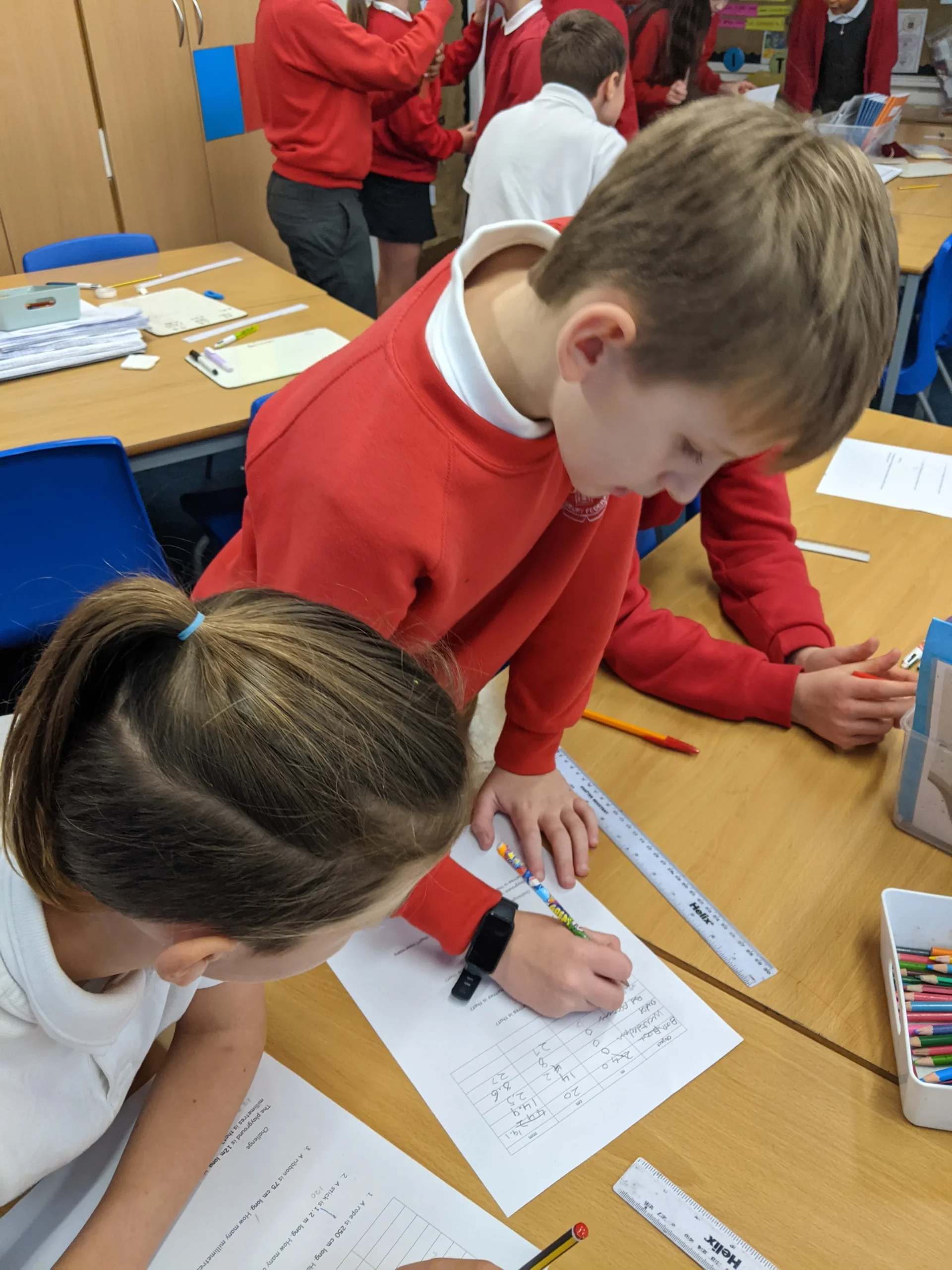
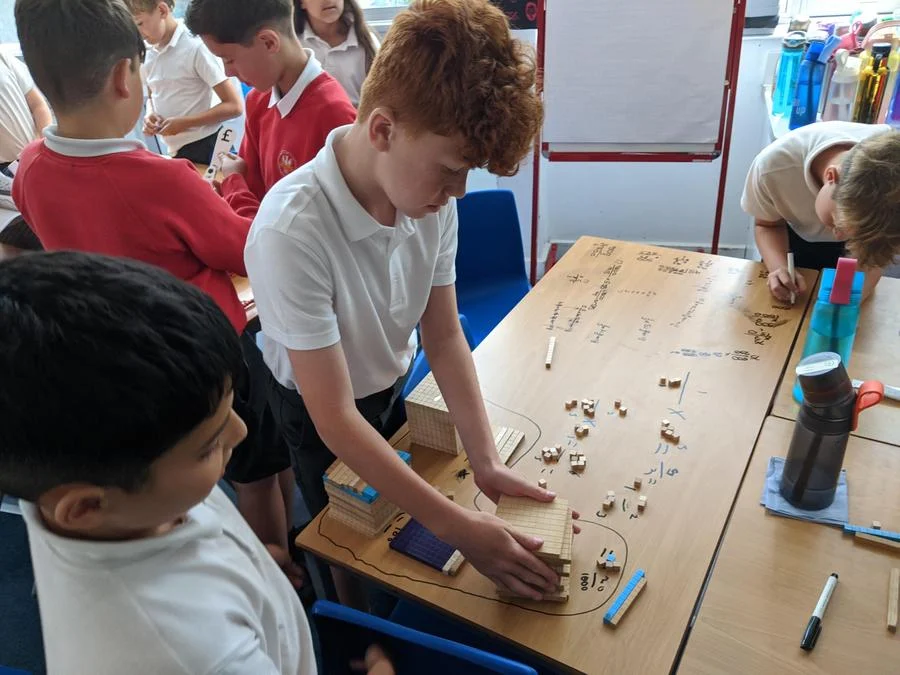
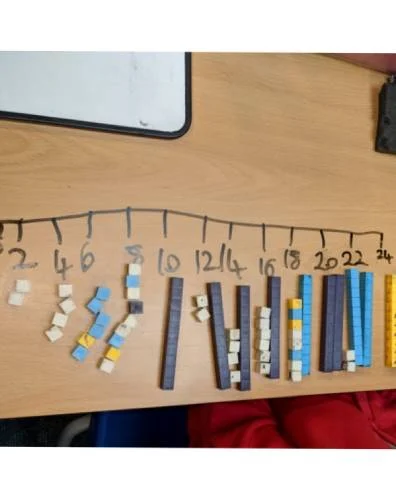
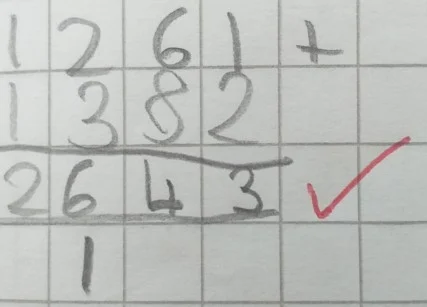
Throughout KS2, children build upon their early mathematical skills with increasing sophistication, accuracy, and independence. They develop confidence working with larger numbers, formal written methods, and a wider range of mathematical concepts including fractions, decimals, percentages, and geometry. Pupils learn to apply logical reasoning, use efficient strategies, and check the accuracy of their work, enabling them to tackle more complex calculations and multi-step problems.
Children explore how mathematical ideas connect, recognising patterns, relationships, and structures across number, shape, measure, and statistics. They learn to select appropriate methods, represent their thinking clearly, and justify their reasoning using precise mathematical language.
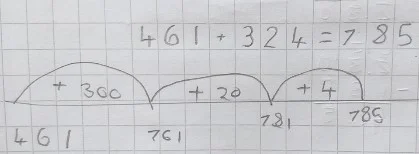
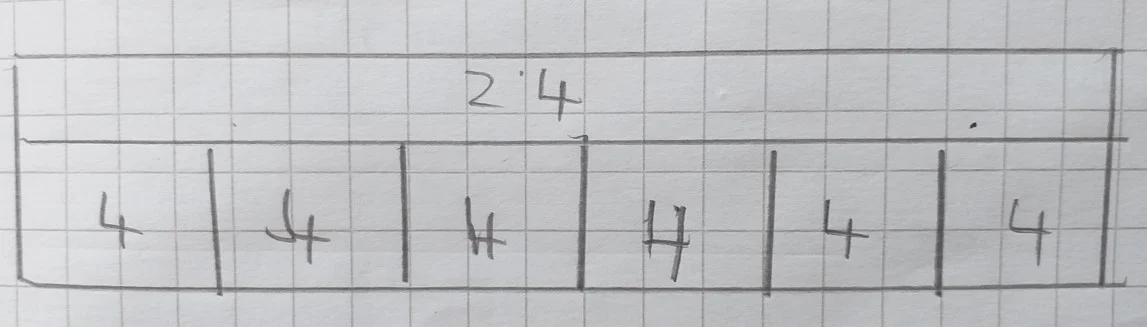
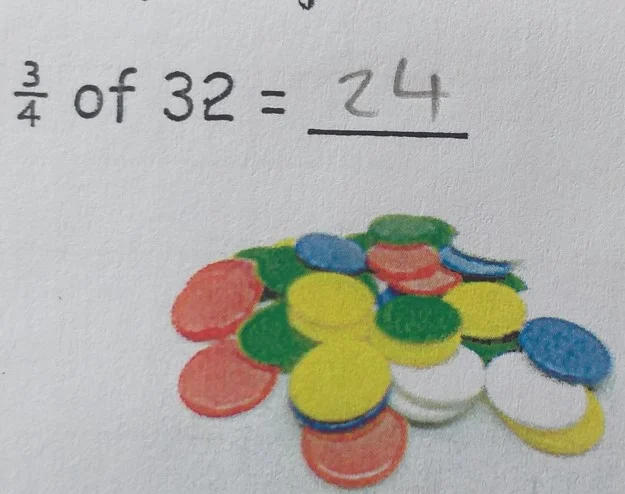
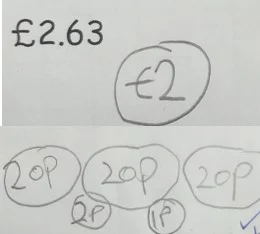
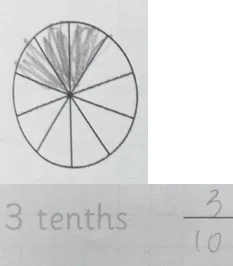
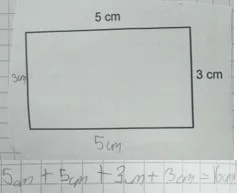
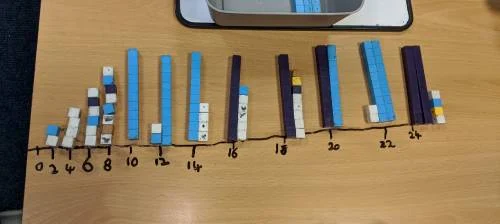
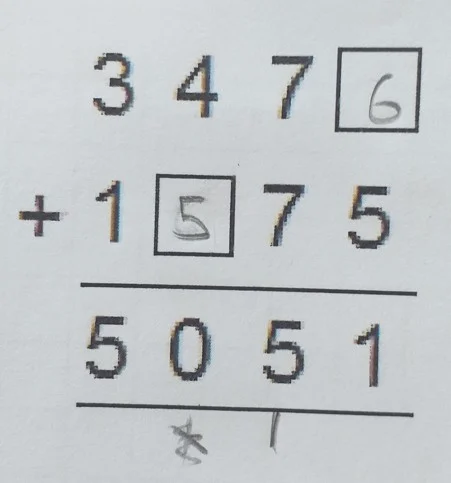
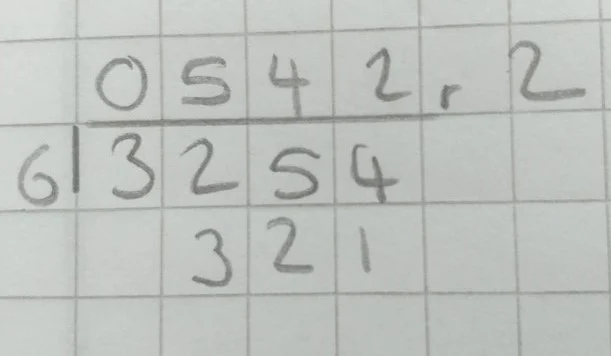
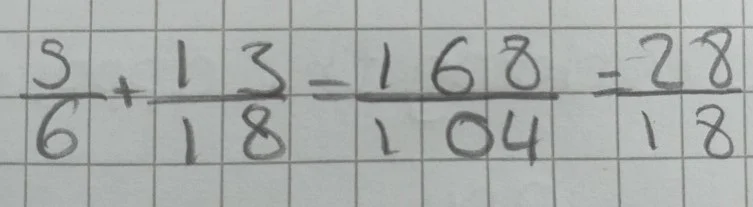
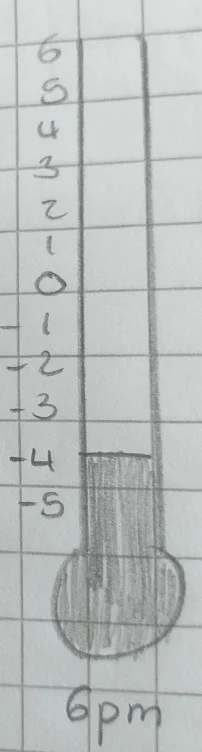
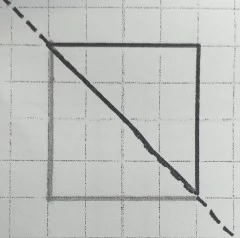
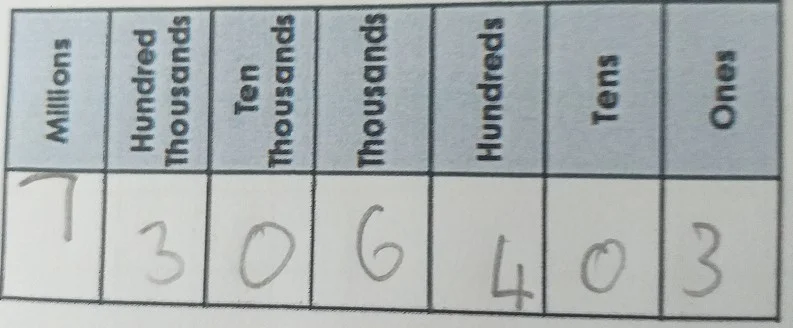
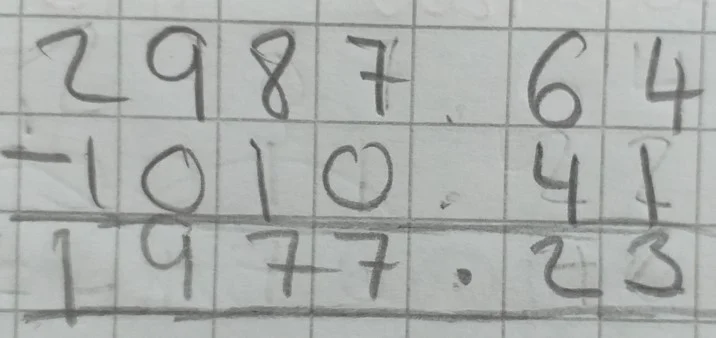
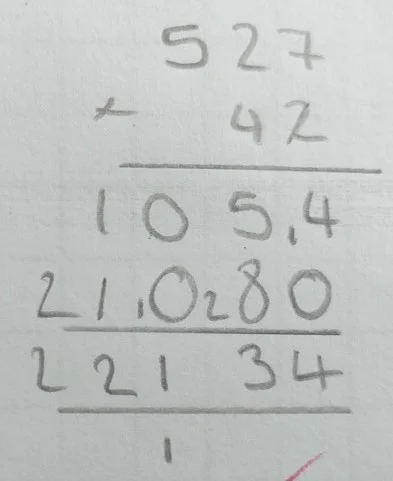
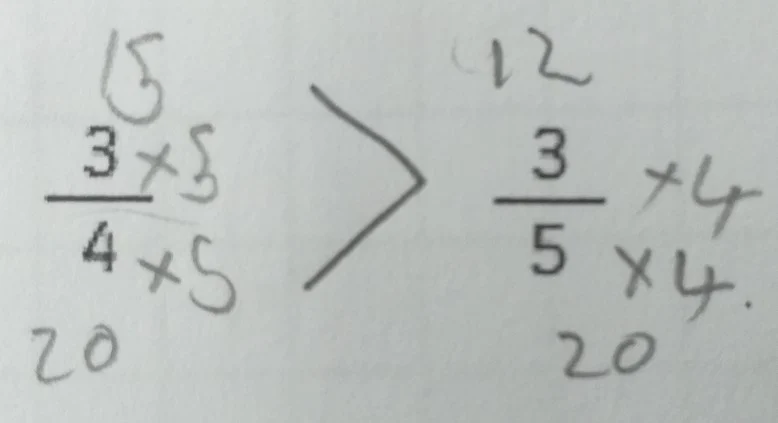
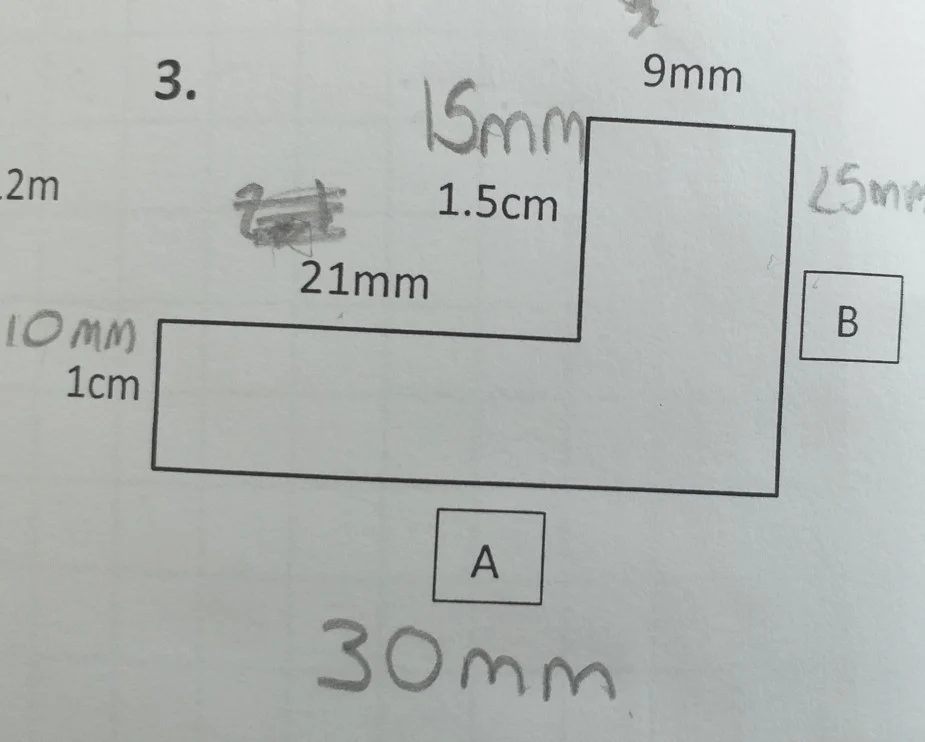
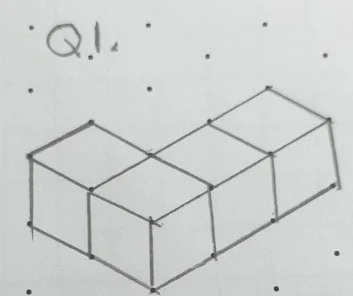
There's More to Maths...
As part of the Maths curriculum, children need to be able to reason. Reasoning in Mathematics means explaining how you solved a problem and why your answer makes sense. It’s about showing your thinking, not just writing a final number.
It is important because it helps children understand the steps they take in Maths, rather than guessing or memorising. When children explain their ideas, they make stronger connections between different concepts and are more likely to remember them.


Progression of Knowledge and Skills
If you would like a copy of our Progression of Knowledge and Skills for Mathematics, please contact one of our Admin Officers who will be able to provide one for you.
The Core Domains
As part of the Mathematics curriculum, there are six core domains: place value, addition and subtraction, multiplication and division, fractions, measurement, geometry, and statistics from Year 2 onwards. These have been taken from the statutory guidance provided by the National Curriculum, in order to provide our children with a high quality education.